How to tell if a signed football shirt is genuine
Most fake signed shirts are caught by a few plain checks before anyone needs a magnifying glass. Here is what to look at, in the order a specialist would.
Start with the shirt, not the signature
A forger has to get the shirt right as well as the autograph, and the shirt is usually where it falls down. Check these against photos of the real kit from that season:
- Season and kit. The badge, sponsor and kit maker should all match the year the player was at the club. A 2021 sponsor on a shirt signed by someone who left in 2018 is the end of the conversation.
- Replica or player issue. Most signed shirts are replicas, which is fine, but a seller describing a replica as match worn is not.
- Labels and printing. Look at the wash label, the name and number font and the sleeve patches. Club shops print names in an official font; a homemade print is a warning sign.
Then look at the signature
- Compare it with known examples from the same period. Signatures change over a career, so compare like with like.
- Look for flow. A real signature is written quickly. Shaky lines, blunt starts and stops, or ink that pools in odd places suggest someone copying slowly.
- Check the pen. Shirts are almost always signed in permanent marker. A printed or stamped signature sits flat with no variation in the ink at all.
- Be wary of a perfect signature. Players signing at a training ground or a stadium sign fast and often messily. Neat and centred can mean posed.
Ask for the story and the paperwork
Provenance is the history of the shirt: who got it signed, where and when. The best evidence is a photo of the player signing that exact shirt, a club or charity letter, or a receipt from a recognised event.
A certificate on its own proves less than people think. Ask who issued it and whether you can check it. A letter from a company you cannot find is a piece of paper, not evidence. Our guide on what a certificate of authenticity proves goes into this.
Match worn shirts need more
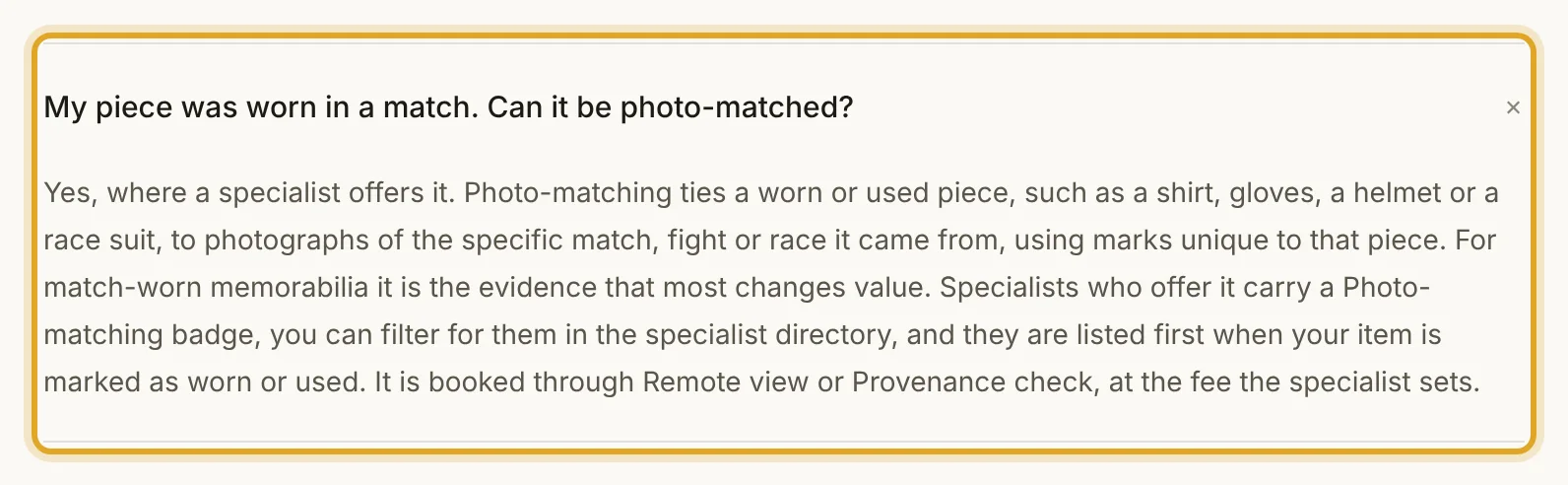
If a shirt is sold as worn in a particular match, the claim can sometimes be checked by photo matching: comparing marks, creases and stains that are unique to that shirt against photos from the game.
When to ask an independent specialist
If the shirt matters to you, either for what it cost or what it means, have it examined by an independent specialist: someone who is neither the seller nor the place it is being sold. On Cardarooz you choose the specialist and the method, and you see their fee before you book.
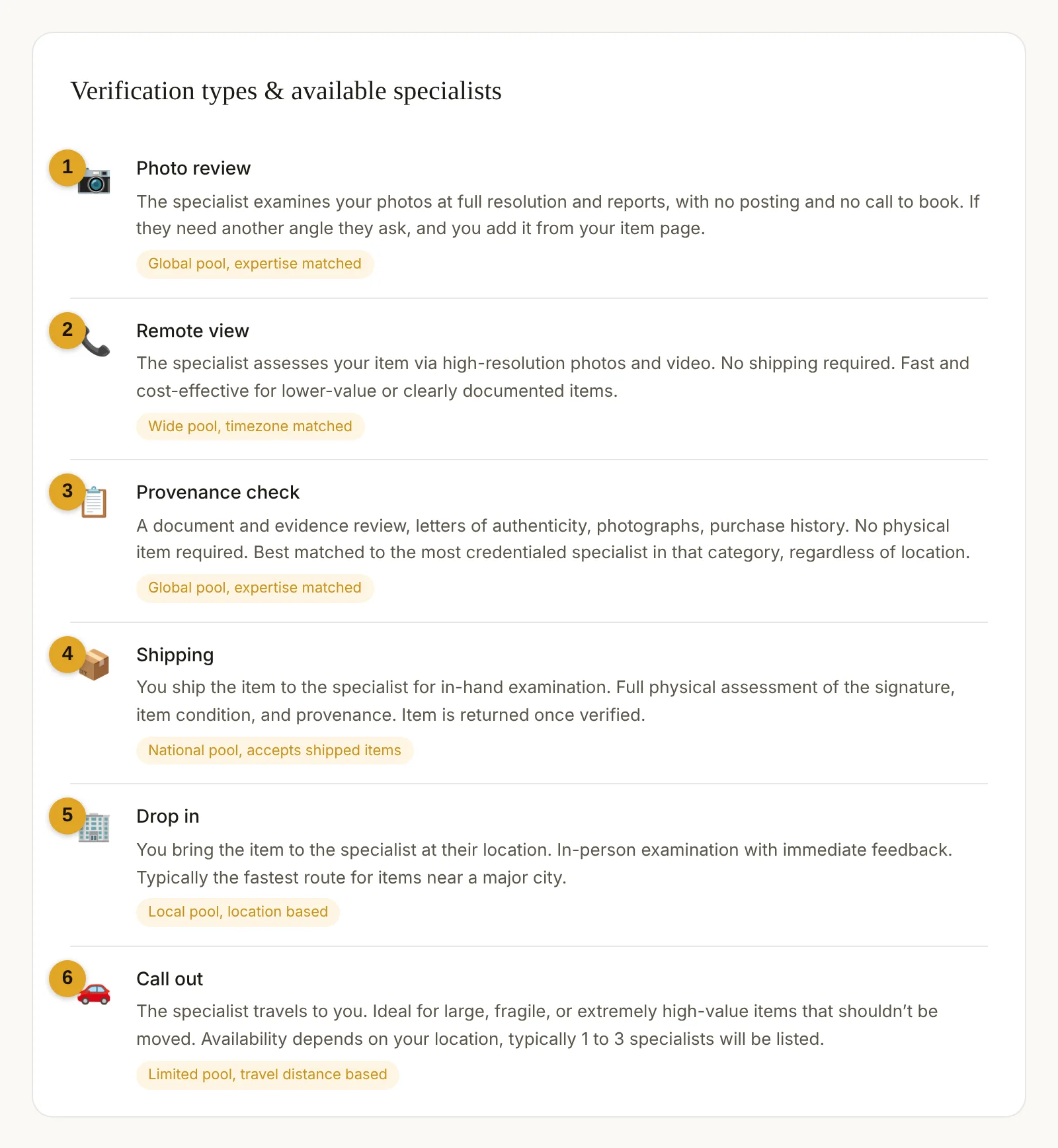
Cardarooz arranges verification. It does not examine items itself. The specialist records the result, and a seller can never mark their own item as verified.
Quick checklist
- Kit, sponsor and badge match the season.
- Signature compared with examples from the same period.
- Permanent marker, signed with flow, not printed.
- A story you can check: photo, letter, event or receipt.
- Any certificate is from an issuer you can look up.
- If it matters, an independent specialist has examined it.
Cardarooz is where collectors keep their collection. Catalogue what you own, arrange verification by an independent specialist, and sell when you are ready. Cataloguing is free.
Add your shirt to your collection →