Programmes, tickets and letters: cataloguing paper memorabilia
Paper is the easiest memorabilia to collect and the easiest to lose. A programme or a ticket stub tells the story of a day, and once it fades or tears that story is gone.
Photograph it properly
- Flat and square. Lay the piece flat and shoot from directly above so the edges are straight.
- Daylight, not flash. Flash bounces off glossy covers and hides detail.
- Every side that matters. Front, back, any signed pages and any team sheet inside.
- Close ups of signatures, handwritten notes, stamps and any damage.
Describe it in a way someone else could check
- The event, the teams or performers, the venue and the date.
- Any signatures, who signed and on which page.
- Condition, honestly: creases, tears, staples, writing, fading.
- Anything that makes this copy different: a team sheet change, a ticket for a famous match, a letter on club paper.
Store it so it lasts
- Out of sunlight, which fades ink and yellows paper.
- Somewhere dry and steady in temperature: not a loft, not a garage, not against an outside wall.
- In acid free sleeves or folders, not ordinary plastic wallets or albums with sticky pages.
- Away from paper clips, rubber bands and sticky tape, which all leave marks over time.
Keep the record digital
Adding paper pieces to a collection on Cardarooz keeps the photos, description and story together, so the record survives even if the paper itself does not. Your collection is private until you choose to share it.

Signed letters and documents
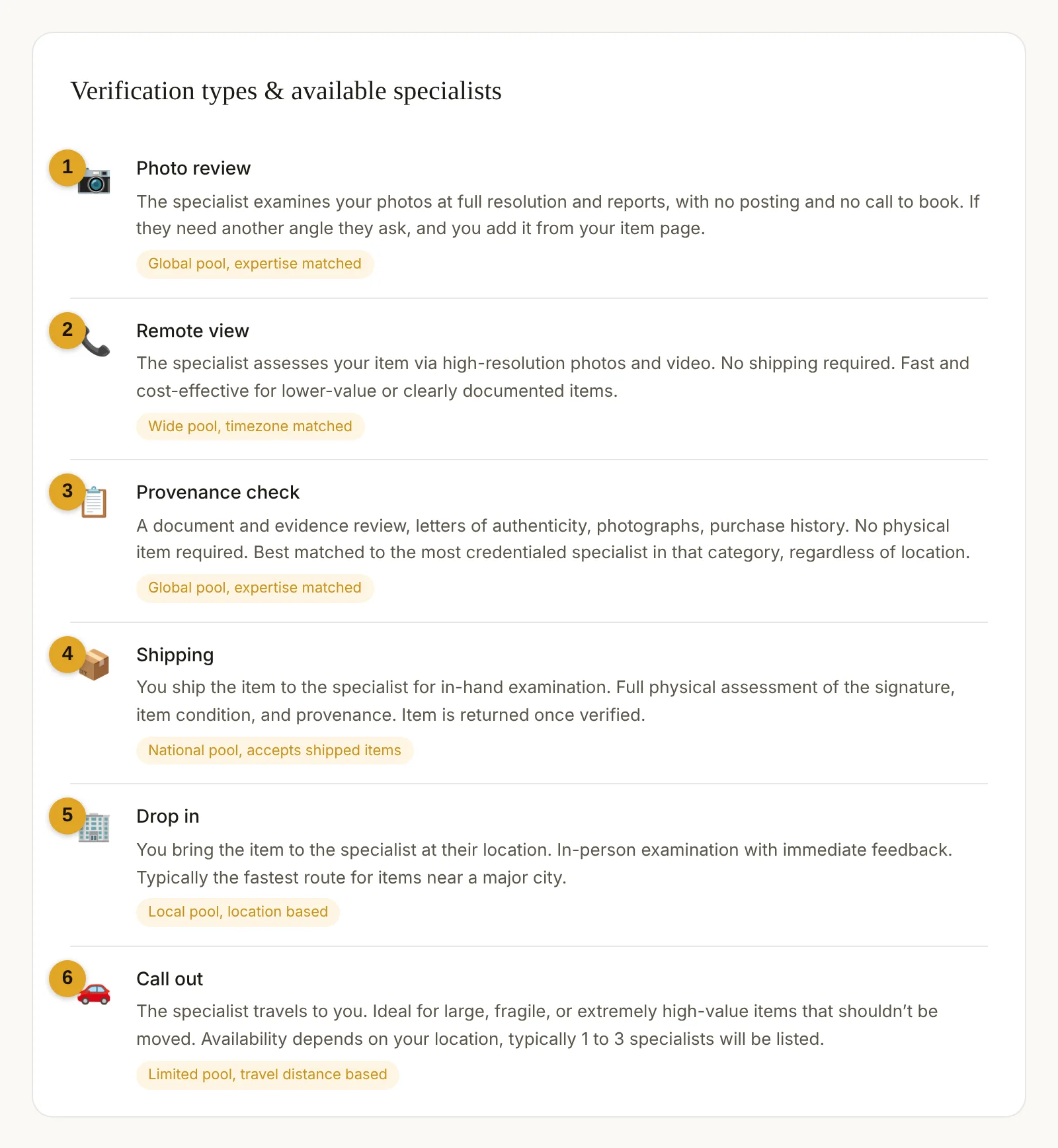
For a signed letter, a contract or a team sheet, the question is often the history rather than the ink. A provenance check is a review of the documents and photos alone, with no item to post.
Cardarooz is where collectors keep their collection. Catalogue what you own, arrange verification by an independent specialist, and sell when you are ready. Cataloguing is free.
Add your first paper piece →